Cybersecurity threats aren’t slowing down, and relying on a password alone is like locking your front door but leaving the key under the mat. Multi‑Factor Authentication (MFA) has become one of the simplest, most effective ways to protect personal and business accounts from unauthorized access.
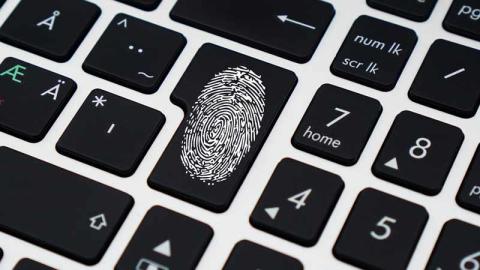
MFA works by requiring two or more verification steps—something you know (a password), something you have (a phone or hardware token), or something you are (biometrics). Even if a password is stolen through phishing, data breaches, or reused credentials, MFA stops attackers cold because they can’t complete the second step.
For businesses, MFA reduces the risk of account compromise, protects sensitive data, and helps meet compliance requirements. For individuals, it prevents identity theft, financial fraud, and unauthorized access to email or social media accounts. In fact, major security studies consistently show that MFA blocks the vast majority of automated attacks.
Enabling MFA takes only a few minutes, but the protection it provides is enormous. In a digital world where threats evolve daily, MFA isn’t just a best practice—it’s a necessity for anyone who wants to keep their information safe.